






Rubbish removal near Putney Bridge for riverside homes
Posted on 14/10/2026
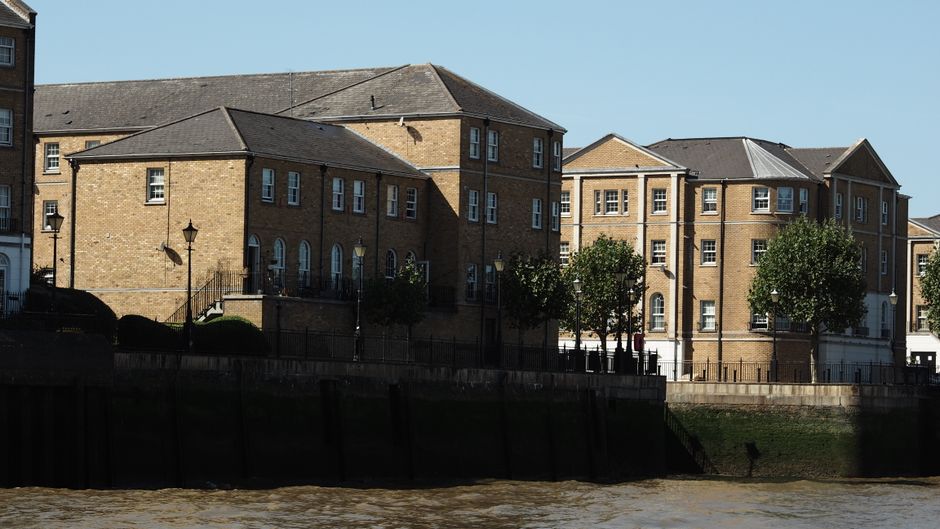
Living by the river has its perks: the view, the light, the quiet mornings when the water looks almost silver. But riverside homes near Putney Bridge also come with a very practical challenge. Space is tight, access can be awkward, and unwanted items have a habit of building up faster than you expect. If you are looking into rubbish removal near Putney Bridge for riverside homes, you probably want something simple, careful, and reliable - not a drawn-out faff with bins, stairwells, or parking stress.
This guide breaks down how local rubbish removal works, what makes riverside properties a little different, and how to choose the right approach for flats, maisonettes, townhouses, and basement homes around Putney Bridge. We will cover the process, costs and expectations, common mistakes, compliance points, and a practical checklist you can actually use. No fluff. Just the useful stuff, explained plainly.
Why Rubbish removal near Putney Bridge for riverside homes Matters
Riverside homes near Putney Bridge are often lovely to live in, but rubbish removal there is not quite the same as clearing a house on a straightforward suburban street. Access can be narrow, parking can be limited, and many properties sit in converted buildings or period terraces where staircases, shared entrances, and careful handling all matter. Truth be told, a quick lift-and-load job can become tricky pretty fast if nobody has thought through the logistics.
The other big issue is timing. In riverside areas, residents often need rubbish gone before viewings, tenancy changeovers, refurbishments, or simply to get a home back to feeling calm again. A pile of broken furniture by the hallway is not just untidy; it gets in the way, makes cleaning harder, and can create fire or trip risks. When you are living close to the river, with wetter weather, muddy shoes, and more foot traffic in and out, clutter tends to stand out even more.
There is also a trust element. You want to know your waste is handled properly. Good rubbish removal is not just about taking things away. It is about sorting items sensibly, reducing landfill where possible, and making sure the process is safe and lawful. That matters whether you are clearing a small flat, a family home, or a rental property that has seen a few too many tenant turnovers. And yes, the odd old wardrobe or battered sofa can be more of an ordeal than it looks.
For many people near Putney Bridge, the job is less about "big clearance" and more about dealing with the awkward in-between stuff: a few bulky items, post-renovation debris, bagged household waste, or garden cuttings that have got out of hand. These jobs are common, but they still need a decent plan.
How Rubbish removal near Putney Bridge for riverside homes Works
Most rubbish removal services follow a fairly simple pattern, though the best ones adjust that process to fit the property. For riverside homes, that flexibility matters. A top-floor flat overlooking the Thames is handled differently from a ground-floor maisonette with a rear access path, and the team should be ready for that.
It usually starts with an initial enquiry. You describe what needs removing, roughly how much there is, and any access issues such as stairs, resident permits, limited loading time, or no lift. Photos help a lot. In many cases, a provider can give a practical estimate from pictures alone, which saves time for everyone.
Next comes the collection plan. That might include:
- choosing a collection window that fits your schedule
- confirming where the team can park or stop safely
- identifying heavier or awkward items in advance
- checking whether anything needs special handling
- agreeing what will be removed and what stays
On the day, the team should arrive prepared, walk the job with you, and confirm the load before lifting anything. That little walkthrough saves mistakes. It also helps if you have forgotten about the box of old chargers in the airing cupboard or the half-hidden pile behind the bike rack. Happens all the time.
Once loading begins, items are usually carried out, sorted into reusable, recyclable, and disposal streams, then taken away in one go. For riverside homes, a careful crew will avoid blocking shared entrances and will be considerate with neighbours. In a building where people come and go all day, that courtesy makes a real difference.
If you are comparing services, it is worth noting that a good general removal provider is often more useful than a one-size-fits-all "man with a van" approach. The point is not just transport; it is organised removal. You can read more about wider service options on the services overview and the specific rubbish removal in Putney page if you want to understand the broader fit.
Key Benefits and Practical Advantages
The most obvious benefit is space. Riverside homes often feel more open and calm once surplus items are gone. But the practical advantages go further than that. A proper rubbish removal service reduces stress, saves time, and avoids the stop-start frustration of trying to shift waste yourself in several car journeys. Let's face it, nobody wants to spend a Saturday evening loading a boot full of broken chairs and old paint tins.
Here are the main benefits people notice:
- Faster clear-outs: one visit can often do the work of several trips to a reuse or disposal point.
- Less disruption: useful for flats and homes with shared access or limited parking.
- Safer moving: bulky or heavy items are handled by people used to awkward spaces.
- Better sorting: recyclable materials and reusable items can be separated more sensibly.
- Cleaner presentation: ideal before letting, selling, decorating, or simply reclaiming a room.
There is also a mental benefit that gets overlooked. Clutter creates a kind of background noise. You see it on the way to the kitchen, stepping over it by the hallway, or noticing it again the next morning. Once it is gone, the house tends to feel bigger and calmer. Small thing, maybe. But very real.
For landlords and homeowners near the river, a tidy property can also make maintenance easier. If you are already planning a refresh, it can be smart to pair removal with other work like a garage clear-out, post-builders tidy-up, or a full house clearance. In that case, services such as house clearance in Putney or builders waste disposal in Putney may be a better fit than a one-off small collection.
| Benefit | What it means for riverside homes | Why it matters |
|---|---|---|
| Convenience | No need to coordinate multiple car loads | Saves time and reduces disruption |
| Access-friendly handling | Useful for stairs, narrow halls, and shared entrances | Less risk of damage or neighbour complaints |
| Responsible disposal | Items can be sorted for reuse or recycling | Better for compliance and sustainability |
| Stress reduction | One scheduled visit can clear a lot at once | Makes home projects easier to finish |
Who This Is For and When It Makes Sense
This kind of rubbish removal is useful for quite a wide range of people around Putney Bridge. You do not need a huge pile of waste for it to make sense either. Sometimes the job is just a few awkward items that have been sat there for months. Then suddenly it becomes one of those jobs you keep avoiding. We have all got one of those, haven't we?
It may be right for you if you are:
- a homeowner clearing out a spare room, loft, or storage cupboard
- a landlord preparing a rental between tenancies
- a tenant moving out and dealing with leftover belongings
- a family managing an inheritance or downsizing project
- a property manager handling communal or end-of-lease waste
- someone renovating a riverside flat and generating mixed rubbish
It also makes sense when the waste is awkward rather than simply heavy. Think broken furniture, mixed household rubbish, bags of decluttered items, old carpets, or garden waste from a compact outdoor space. Riverside properties often have small patios or terraces, and these areas fill up quickly after pruning, cleaning, or a bit of DIY.
People usually start searching for rubbish removal near Putney Bridge for riverside homes when one of three things happens: they are short on time, short on space, or short on patience. Fair enough. Those are good reasons.
If the job is tied to a property upgrade, it can help to look at related services too. A renovation-heavy project may lean towards waste clearance in Putney, while overgrown outdoor areas may need garden waste removal in Putney.
Step-by-Step Guidance
If you want the process to go smoothly, a little preparation goes a long way. The good news is you do not need to overthink it. A tidy, practical plan is usually enough.
- List what needs removing. Be specific. "Old stuff from the spare room" is a start, but "two wardrobes, one mattress, four black bags, broken shelving, and packaging" is much better.
- Separate anything you want to keep. It sounds obvious, yet things get mixed up all the time. Put valuables, documents, and sentimental items somewhere safe first.
- Take a few clear photos. Wide shots and close-ups help the removal team estimate size, access, and lifting needs.
- Flag access issues early. Mention stairs, no lift, entry codes, resident permits, or a tight loading bay before the day arrives.
- Ask how the waste will be handled. A sensible provider should be able to explain recycling, sorting, and disposal in plain English.
- Check timing and disruption. If neighbours share the entrance or hallway, choose a window that causes less fuss.
- Walk through the load before collection. This avoids last-minute arguments over items that were not meant to go.
Here is a useful rule of thumb: if the item is bulky, awkward, or likely to damage walls when carried, mention it in advance. A piano, oversized mirror, cast-off sofa, or heavy filing cabinet is not impossible to remove, but it is a different job from a pile of bin bags. The right team will know the difference.
And if you are in a building with shared access, it is polite to warn neighbours or the building manager. That small bit of planning can save a lot of eye-rolling in the hallway. Very British, yes, but it works.
Expert Tips for Better Results
Over time, a few practical habits make rubbish removal much easier. They sound simple because they are. But simple is good. Simple gets jobs done.
1. Sort before the collection day. Even if the team can do the lifting and loading, a quick sort saves time and keeps the job tidy. Put electrical items together, bag loose waste separately, and keep items you might want to donate apart from general rubbish.
2. Measure difficult items. If you are unsure whether something will fit down stairs or through a narrow hall, measure it. A minute with a tape measure can prevent a lot of head-scratching later.
3. Be honest about volume. Underestimating the amount of waste is a common mistake. A "small amount" can turn into a van full once the cupboard, under-stairs space, and balcony are opened up. Strange how that happens.
4. Book with access in mind. Riverside streets and apartment blocks can get busy, especially at popular times. Choose a slot that allows for parking and easier movement of items.
5. Think about reuse first. Some furniture, small appliances, and household items may still have life left in them. Not everything needs to go down the disposal route if it can be passed on responsibly.
6. Keep fragile or dusty items separate. Old loft contents, broken ceramics, and dusty storage items are better handled with care. No one enjoys a cloud of attic dust in a narrow hallway, least of all your nose.
If you want a bit more background on the company itself before booking, the about us page is useful for understanding the approach, and the recycling and sustainability page gives more context on responsible disposal habits.
Common Mistakes to Avoid
Most rubbish removal problems are avoidable. The tricky bit is that the mistakes often look minor at first. Then they snowball. A small misunderstanding about access becomes a delayed job, and a delayed job becomes a stressful one.
Here are the most common errors we see:
- Leaving sorting until the last minute: this slows the collection and makes it easier to forget items you meant to keep.
- Forgetting about access restrictions: riverside streets may have loading quirks, permit rules, or limited stopping space.
- Assuming all waste is the same: electricals, hazardous materials, bulky furniture, and garden waste may need different handling.
- Not checking what is included: confirm whether lifting, loading, sweeping up, or a return visit is part of the service.
- Choosing only on price: the cheapest option is not always the best if it causes delays, damage, or incomplete removal.
One surprisingly common issue is the "hidden extra pile" problem. You book for the obvious items, then discover two extra bags in the shed and a broken table on the balcony. It is fine, of course, but you should mention those items early. Better that than an awkward conversation when the van is already full.
Another mistake is forgetting building rules. Some riverside blocks have quiet hours, lift booking systems, or concierge requirements. A good service will work around this, but only if they know in advance.
Tools, Resources and Recommendations
You do not need specialist equipment to prepare for rubbish removal, but a few simple tools make things easier and safer. Nothing fancy. Just the basics done well.
- Strong bags or sacks: useful for mixed light waste, packaging, and decluttered household items.
- Labels or tape: helpful for marking what stays and what goes, especially in busy homes.
- Gloves: good for sorting dusty loft items, old garden waste, or anything with rough edges.
- Tape measure: essential for large furniture, awkward corners, and tight stair turns.
- Phone camera: the easiest way to document the load and share photos before booking.
From a planning point of view, it also helps to compare the service against the wider job you are trying to finish. For instance, if you are clearing a home before sale, the property may need a broader clearance approach rather than a one-off collection. That is where a service like house clearance in Putney can feel more efficient. If it is mainly post-renovation debris, then builders waste disposal in Putney or waste clearance in Putney may be the better match.
For readers who want to understand pricing and booking expectations before making a decision, the pricing and quotes page is a sensible next stop. It is always better to know what affects the final cost than to guess and hope for the best.
Law, Compliance, Standards, or Best Practice
Rubbish removal is one of those services that looks simple on the surface, but compliance matters underneath. You do not need to become a waste law expert, thankfully. Still, it is worth knowing a few basics so you can choose a provider with confidence.
In the UK, waste should be handled by people who take it to appropriate disposal or recycling facilities and do not cut corners. For householders, the main thing is making sure you hand waste to a legitimate operator and avoid fly-tipping risk. If a price looks suspiciously cheap and there is no clarity on where the waste goes, that is a warning sign. Cheap today can become expensive later, in more ways than one.
Best practice usually includes:
- clear separation of reusable, recyclable, and general waste where practical
- safe lifting methods for heavy or awkward items
- careful handling in shared hallways and common areas
- proper disposal of electricals and specialist items
- respect for local access rules, neighbours, and building management requirements
Safety also matters. Furniture, glass, metal shelving, and old appliances can all cause injuries if moved badly. A professional team should be insured and work with the kind of caution that makes the job feel orderly, not rushed. If you want to understand general safety and insurance expectations in more detail, the insurance and safety page is worth a look.
There is also a sustainability angle. Responsible rubbish removal should not just be about getting stuff out of the way. It should also reduce avoidable waste where possible. That is especially relevant in a neighbourhood like Putney, where people often care about keeping things tidy and doing the sensible thing by their home and the wider area.
Options, Methods, or Comparison Table
Different jobs call for different approaches. If you are choosing between doing it yourself and booking a rubbish removal service, the right option depends on access, volume, time, and how awkward the items are. A quick comparison can help.
| Method | Best for | Pros | Possible downsides |
|---|---|---|---|
| DIY disposal | Small loads, easy access, flexible schedule | Full control, may suit very minor jobs | Time-consuming, multiple trips, handling and transport hassle |
| Standard rubbish removal | Mixed household waste, bulky items, shared access homes | Convenient, faster, better for awkward properties | Requires coordination and a clear estimate |
| House clearance | Large-scale clear-outs, end-of-tenancy, inherited property | Broad coverage, ideal for larger projects | May be more than you need for a small job |
| Builders waste disposal | Renovation debris, rubble, packaging, renovation leftovers | Good for project-based waste | Not always suited to mixed household clutter |
For riverside homes near Putney Bridge, standard rubbish removal is often the sweet spot. It is flexible enough for most jobs, but still practical when the access is not perfect. If the property is being emptied almost entirely, then a broader service can make more sense. Simple as that.
Case Study or Real-World Example
Imagine a three-bedroom riverside flat a short walk from Putney Bridge. The owners have lived there for years, and over time the spare room became a storage room. Then the kitchen started to get refreshed, the hallway picked up a stack of flat-pack packaging, and the balcony gained a few items "for later." You know how it goes.
By the time they decided to act, the place had a mixture of old shelving, a broken office chair, bags of decluttered clothing, a small table, and some garden waste from a tidy-up of planters. Individually, none of it was dramatic. Together, it had become a nuisance. The hallway felt tighter. The spare room could not be used properly. And there was a very real concern about carrying everything down a narrow stairwell without scraping the walls.
The sensible approach was straightforward:
- photos were taken of every area
- items were grouped by room and type
- the building access details were shared in advance
- a collection slot was chosen to avoid busy arrival times
- the load was checked on arrival before lifting started
The result was not glamorous, but it was effective. The flat felt lighter immediately, the owners could actually use the spare room again, and the job was done without turning the building entrance into a storage area. That, honestly, is the kind of outcome most people want. Quietly efficient. No drama.
Practical Checklist
Use this checklist before your collection day. It keeps things smooth and helps avoid the small issues that turn into bigger ones.
- Confirm exactly what is being removed.
- Set aside valuables, documents, and anything you want to keep.
- Take photos of the items and access route.
- Measure any bulky furniture or awkward pieces.
- Check whether there are stairs, lifts, or access restrictions.
- Let neighbours or building management know if needed.
- Ask how waste will be sorted and handled.
- Make sure the path to the items is clear and safe.
- Separate anything that requires special attention.
- Reconfirm timing on the day if the property is busy or shared.
Expert summary: The best rubbish removal jobs near Putney Bridge are the ones that feel almost boring in hindsight. The waste is clearly described, access is planned, the team knows what to expect, and the home ends up tidy without stress. That is the goal. Nothing flashy. Just done properly.
Get a free quote today and see how much you can save.
Conclusion
Rubbish removal near Putney Bridge for riverside homes is really about three things: access, timing, and trust. Get those right, and the rest becomes much easier. Whether you are dealing with a few bulky items or a full clear-out, the smartest approach is to plan ahead, describe the job honestly, and choose a provider who understands the realities of riverside living.
That means narrow entrances, shared spaces, changing schedules, and the everyday challenge of keeping a beautiful home from becoming cluttered. A good service should make all of that feel manageable, not stressful. And when the last bag is gone and the hallway is clear again, the difference is surprisingly satisfying. Properly satisfying, actually.
If you are weighing up your next step, take a calm look at the options, gather a few photos, and think about the type of service that best matches your home. A little planning now can save a lot of hassle later. And once the space is clear, you get to enjoy the best part of riverside living again: the room, the light, and the view.



 Tipper Van - Rubbish Removal and Waste Clearance Prices in Putney, SW15
 Luton Van -